“Nobody can want you to succeed more than you do.”
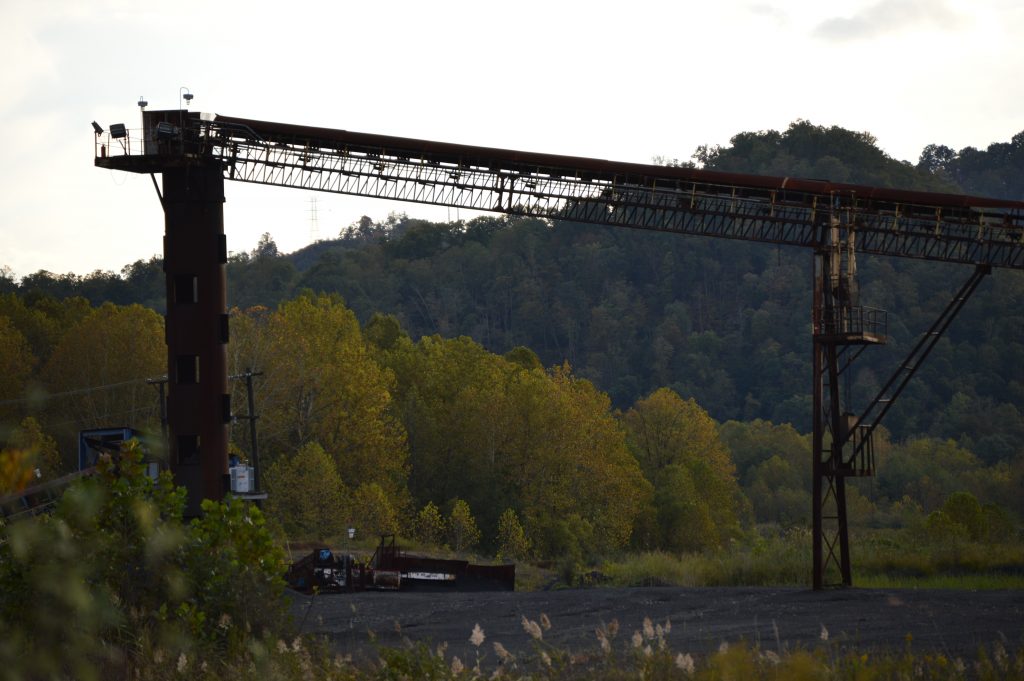
One of the greatest myths about Central Appalachia is that its biggest problem is money.
It is not.
Money matters. Infrastructure matters. Population decline matters. But the resource communities across Appalachia are most starved for is exceptionalism.
For decades, our region has battled economic extraction, population loss, and a story too often written by outsiders who never understood the people living here in the first place. Coal declined. Industries disappeared. Young people left. According to the Appalachian Regional Commission, more than half of Appalachian counties lost population between 2010 and 2020. That kind of decline changes the trajectory of entire communities.
Big cities and sprawling suburbs have something small Appalachian towns do not. Volume. They have deep benches of talent to pull from when leadership positions open up in business, government, education, and economic development. When you have hundreds of candidates, you can survive average leadership because the system itself can absorb mistakes.
Rural communities do not have that luxury.
When your town has limited resources, limited employers, shrinking populations, and thin margins for error, leadership matters more, not less. One bad decision can stall progress for years. One stagnant board can drain momentum from an entire generation. One culture of settling can quietly convince talented young people that their future exists somewhere else.
And too often, the same cycle repeats itself.
The same familiar faces rotate through positions of influence. The same ideas get recycled. The same mistakes get made. Then communities wonder why nothing changes.
This is not an attack on rural towns. I love and live in a rural community. I love and live in Central Appalachia. This region produces resilient people. Creative people. Tough people. There is a character in these mountains that much of the country has lost.
Love without honesty is useless.
The brain drain happening across Appalachia is real. Many of the best and brightest leave because their ambition, creativity, and talent are more recognized and rewarded elsewhere. That is not betrayal. That is cause and effect.
Sometimes rural communities push exceptional people away while simultaneously complaining that nobody stays. Some become so focused on preserving a version of Mayberry that they fail to build communities future generations actually want to live in. Nostalgia has value, but it cannot become an excuse to resist growth, new ideas, or the kind of change required to create opportunity.
Communities rise to the standards they celebrate.
If mediocrity is tolerated, mediocrity grows. If leadership is handed out based on familiarity instead of capability, decline should not surprise anyone. Rural communities cannot afford leadership that is simply available. We need leadership that is excellent.
That means raising standards. It means valuing competence. It means creating environments where talented people feel seen, challenged, and rewarded for building something meaningful close to home.
Most importantly, it means signaling loudly that exceptionalism matters here.
Because if Central Appalachia ever fully decides to stop celebrating survival alone and start demanding excellence too, the trajectory of our region changes.
The communities willing to do that will survive and thrive. The ones that refuse will keep wondering why the future keeps leaving town.
So who do you think is doing it best in Central Appalachia right now? Which communities are finding the right balance between honoring their roots while still building something future generations want to be part of?
Before wrapping up, here are a few articles, blog posts, and books that have been on my reading list lately and shaping some of my thinking around topics like this.
- Article: The Competitive Advantage of Small Town USA
- Article: Anthropic’s Mythos set off a cybersecurity ‘hysteria.’
- Video: Inside Wealthy Arkansas
- Article: The Walmart billionaires next door: Quiet backlash is brewing against the heirs who remade the retailer’s hometown
- Article: Our Favorite Summer Beach Reads
Discover more from The Blog of Josh
Subscribe to get the latest posts sent to your email.